
When her son was born with a rare disease, it pushed Megan Neisius into an unexpected role: becoming the expert in the room.
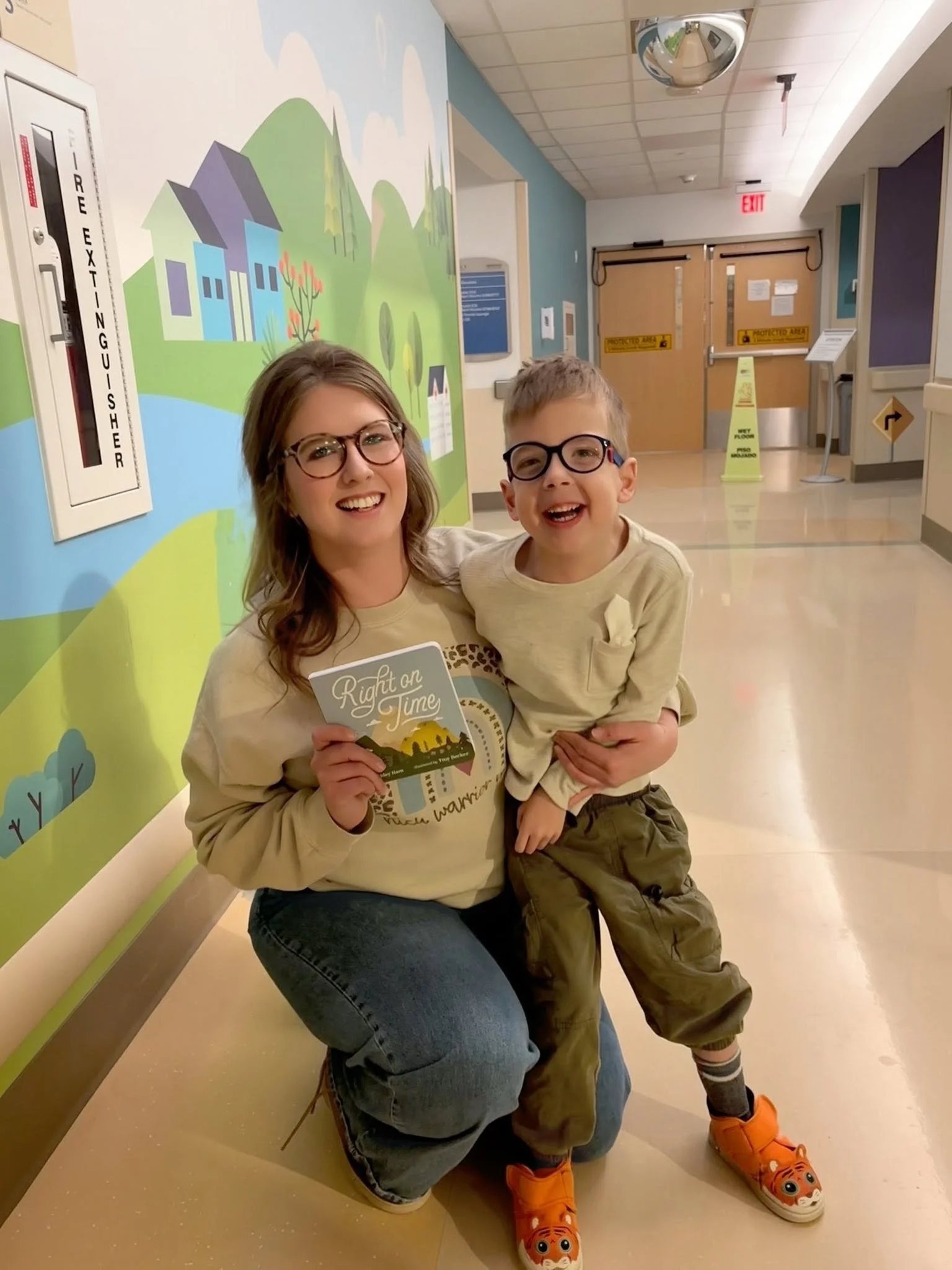
Toilet training is a big milestone for many young families. And for five-year-old Eli Neisius, this means emptying his bladder through his brand new MIC-KEY button vesicostomy.
“Right now we’re kind of on a schedule to drain it every two to three hours and Eli has really embraced it,” says Eli’s mum, Megan, from their home in West Bend, Wisconsin. “He did it by himself for the first time this week. We were with him, but he was like, ‘I can do it’. And he opened the button and inserted the tube.”
Eli’s story went off script soon after he was born. After a non-eventful pregnancy, Megan’s water broke six weeks early.
“He was premature and at first, we thought that’s all [our challenge] really was,” Megan tells In Crowd. “And then pretty quickly, one of the neonatologists was like, ‘I think there’s more going on here’.”
In the first of his seven weeks in the NICU, Eli’s low muscle tone, long fingers and toes, downward slanted eyes and small chin were noted. The neonatologists recommended he have genetic testing.
“I was really opposed to it,” says Megan. “I was like ‘he’s perfect, there’s nothing wrong with him’. It’s funny how far I’ve progressed in five years. But at the time, I was really obstinate. Like, ‘go ahead and test him. You’re not going to find anything!’”
When the results came back three months later, they confirmed Eli had a rare connective tissue disorder called Loeys-Dietz syndrome (LDS) – a condition closely related to Marfan syndrome that was only identified and named in 2005.
With limited awareness around LDS, Megan had no choice but to educate herself.
“One of the wild things about having a child with a rare disorder is that in a lot of the specialty clinics, the parent or the family is the expert,” she says. “Now we have about 18 specialties and [only] one of Eli’s doctors has ever heard of his condition before.”
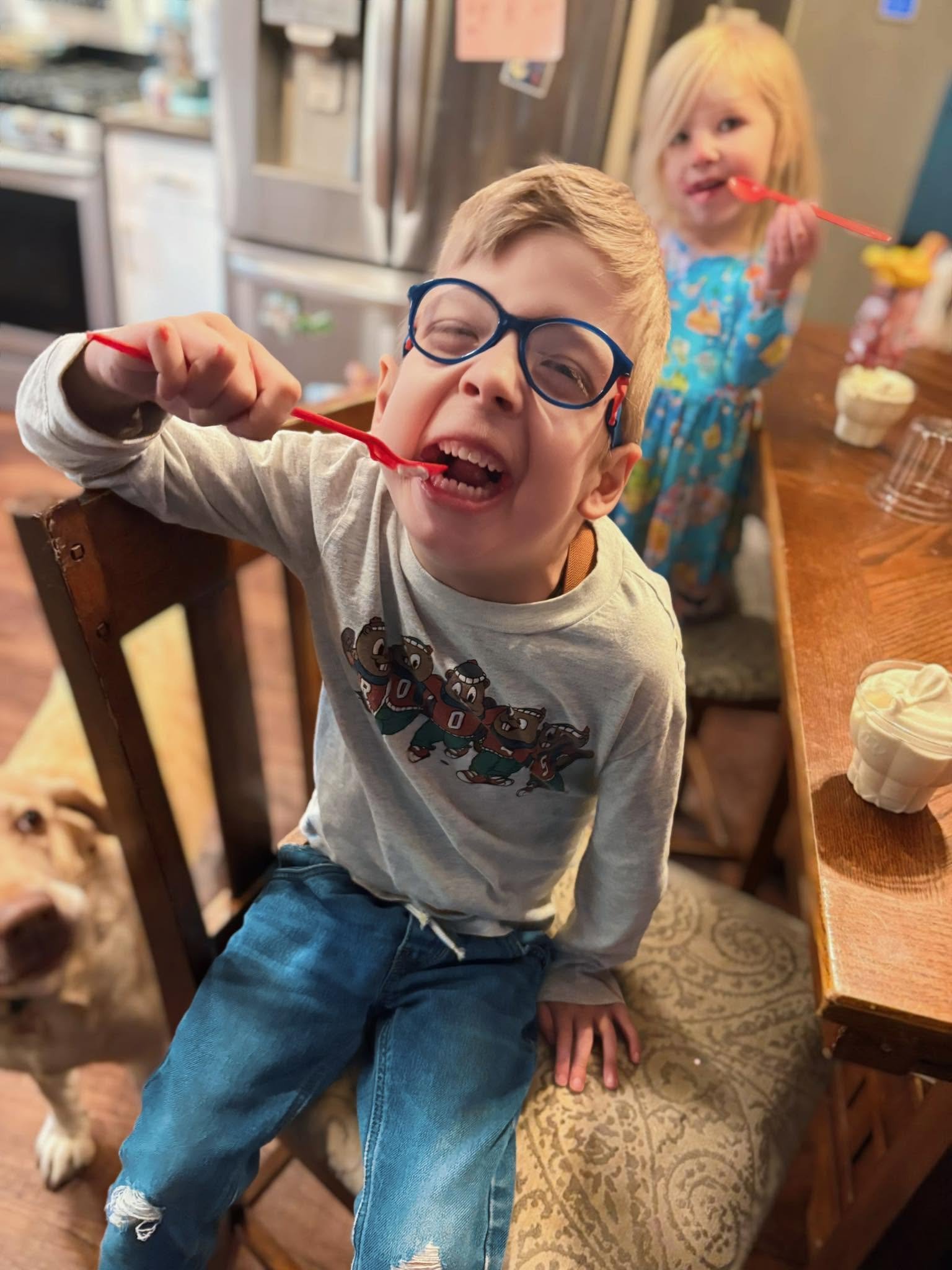
Connective tissue provides structure throughout the body, so LDS can affect multiple systems including the bowel and bladder.
By the time Eli turned two, his pediatrician had started him on a laxative called Miralax for his severe constipation – but it wasn’t helping.
“He had started to eat very, very little,” says Megan. “I got concerned and asked for a GI [gastrointestinal] referral, and through that experience he was diagnosed with eosinophilic esophagitis (EoE), [which meant he was] having a lot of pain and reflux with the oesophagus.”
The guidance was to increase stimulant laxatives and continue monitoring.
“It wasn't really working. And then we started to notice a lot of mucus and blood in the stool. I was concerned that there was some inflammation happening, so we did a colonoscopy and they found nothing.”
Reassured that there was no inflammatory bowel disease (IBD) present, they kept monitoring.
During this same period, Eli developed a mysterious high fever. After 10 days of eliminating possible causes, their emergency department’s doctor found Eli had a urinary tract infection (UTI). UTIs are rare for young boys – and this was the first of three that he’d have over the next few months. The doctors knew something was wrong.
“At that point, they were like, ‘okay, what’s going on?’ And then we kind of entered this battle,” says Megan. “Urology would say, ‘he’s so constipated, that’s what's causing the UTIs’. And then GI was like, ‘well, no, it’s because his bladder on x-ray is huge’. I just remember sitting with these providers and being like, I don’t really care whose problem it is. What are we going to do about it?”
Eli was still experiencing mucus and blood in his stool, so Megan pushed for a camera study of his small bowel.
“Because they couldn’t see [IBD] on the colonoscopy, they said it was very unlikely that IBD would be in the small bowel,” Megan recalls. “They said, ‘if there was IBD we’d see it – there are no markers’.”
But Megan trusted her ‘mum gut’. After six months of encouraging Eli’s GI team to proceed with testing, they did the surgically placed camera study. The results showed that Eli does have IBD – specifically, Crohn’s disease.
“That was a really big victory for me because I had fought so hard,” says Megan. “Eli does things the one percent way. His IBD is just in his small bowel.”
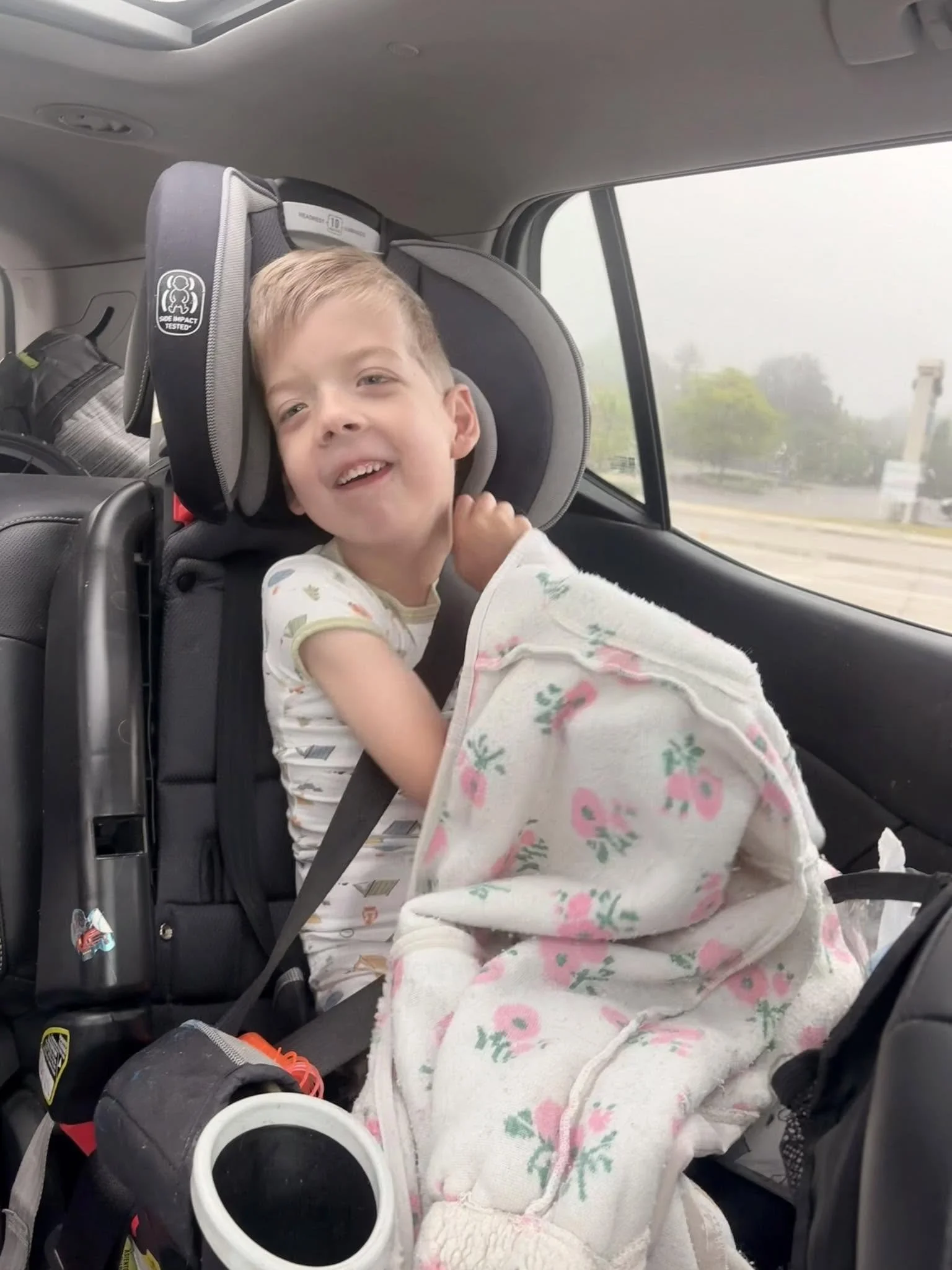
While Eli began IV medication for Crohn’s, attention turned to his bladder. A low-dose prophylactic antibiotic was prescribed and testing began.
“They filled his bladder all the way up and nothing was happening,” Megan says, remembering Eli’s urodynamic study. “It was full, he should have peed, but he didn’t.”
The doctors decided to simply continue monitoring. That was until an ultrasound of Eli’s kidney showed swelling due to reflux from his overfull bladder.
“I have a five year old who’s not potty trained…. it just wasn’t clicking. And so I was like, clearly there’s something wrong,” says Megan. “It seems silly to just wait and see and then have a kidney go bad.”
After this, Eli’s medical team started considering surgical solutions for draining his bladder.
“There were a few ideas pitched and we talked about doing a traditional vesicostomy where it would continuously drain – and it’s a fine option, it keeps things safe – but I was like, it would be cool if for his confidence and a social perspective if we could keep him dry,” says Megan.
They landed on a novel approach. The surgeon would use a MIC-KEY button – usually used in enteral feeding – to create a continent stoma directly into the bladder to enable emptying.
In April of 2026 Eli had the surgery – and it was a success.
“It’s going really, really well,” says Megan. “Eli’s gotten a lot more confident in using it himself – and it’s not only that, but also just the fact that he has control over something that he’s never had control over. He’ll be able to be continent and feel like his peers.”
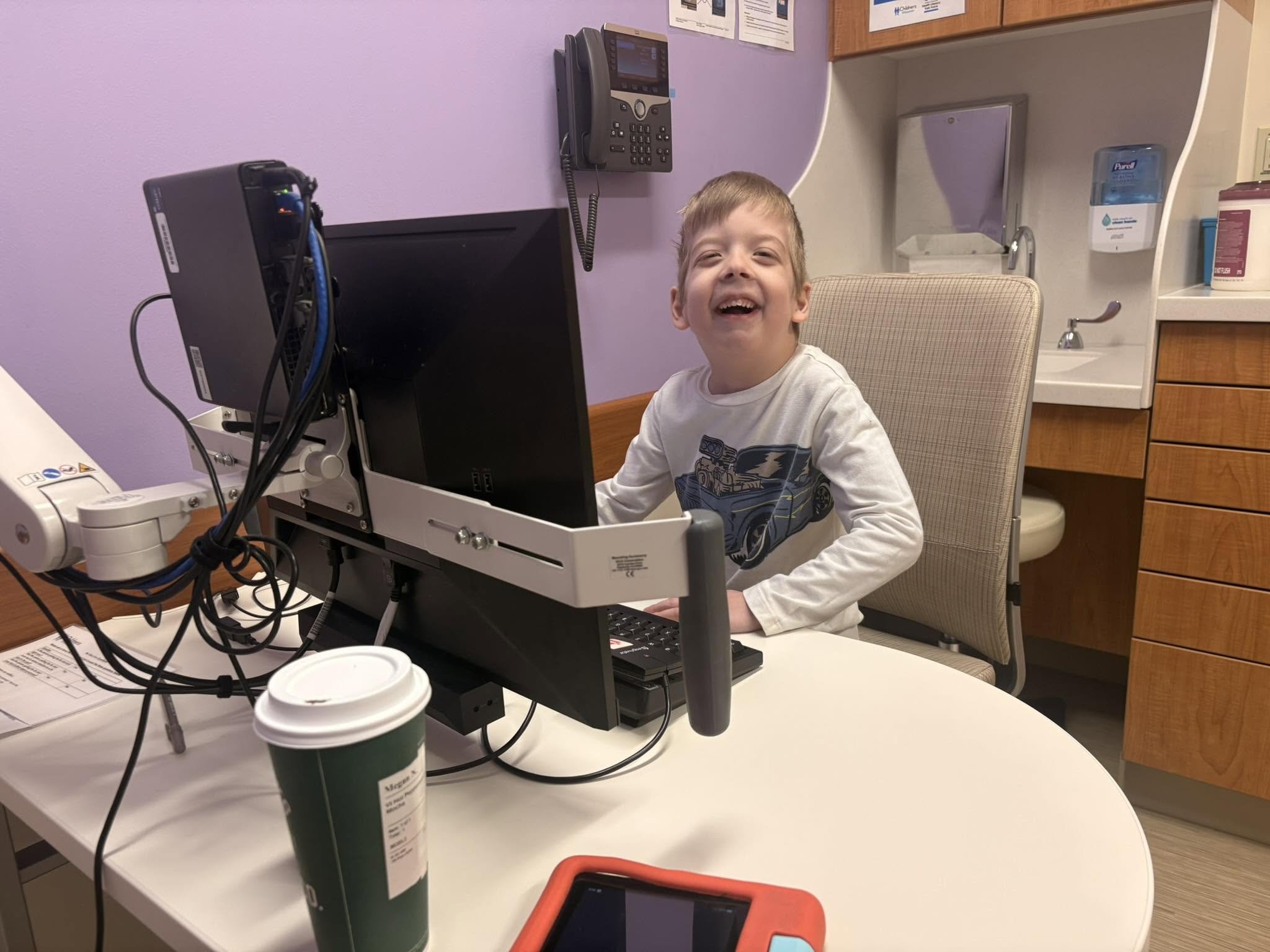
Soon, Eli will have control over his bowels too. He is scheduled to have surgery to create an appendicostomy with a chait tube, to do antegrade flushes to manage his constipation.
“For Eli, who is very social and very cognisant of his differences, being in underwear and being able to go to a bathroom is very important,” says Megan. “Medicine looks at someone’s physical wellbeing when, really, you have to balance that with quality of life, right?”
Megan’s advice to other medical mums is: give yourself grace.
“Advocacy is something that’s built over time. It’s not something that you’re going to be confident in or eloquent in from day one. But you’ll learn it and you’ll grow it. When you walk into that clinic room, have the confidence that you might not know medicine, but you know your child. And in that room, that’s going to trump.
“There’s so much to be said about ‘mum’s gut’, or that parental instinct. Trust that. Listen to that feeling and go after what your kid needs.”